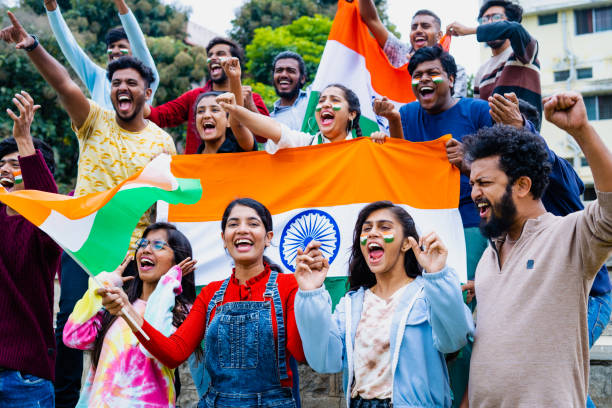
Sport has a strange power in India. It can turn strangers on a railway platform into friends for an evening, just because they’re both watching the same match on someone’s phone. Cricket, more than any other game, has earned that place in people’s lives. You see it on street corners, in living rooms, in offices during a big match. And yet, a strange idea keeps coming up: that cricket got popular by pushing other sports aside. Somewhere along the way, hockey and football lost their audience just because cricket stole it.
I don’t think that’s true, and I’m not just claiming that: the history backs this up. Cricket didn’t come out on top, in terms of popularity, by accident. It won because, for decades the people running the sport in India made smart and patient decisions. That success was built, not borrowed, and it certainly wasn’t taken from anyone else.
Building From the Ground Up
Let us start with the basics. The rise of Cricket was not a lucky break. Someone had to decide, years ago, that the game needed to reach beyond big cities if it was ever going to be popular throughout the country.
So the BCCI built the groundwork: coaching camps, local tournaments, a real path from a small-town academy to the national team. They improved facilities. They made sure players could earn a living from the sport instead of treating it as a side hobby. None of that happens by chance in a country as large and varied as India. It takes years of structural work that nobody focuses on and claps for.
Getting the Game Into People’s Homes
Then there’s a big role of the television. Long before anyone had a smartphone, cricket administrators were already fighting to get matches broadcast live into homes across the country. They understood something simple but important: people fall in love with a sport by watching it, not by reading about it.
Once broadcast deals were in place and the game looked good on screen, cricket became something families gathered around, just like some households gather for a favourite show. Players were introduced to the public as real people with real stories, often from modest backgrounds, which made it easy for a kid watching at home to imagine themselves in that same position one day. That kind of connection isn’t automatic. Somebody has to build it, match by match, year by year.
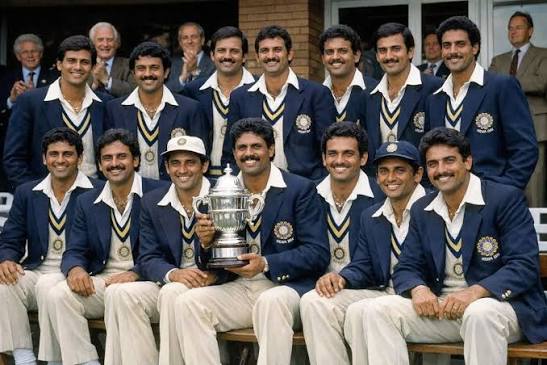
Also, no one can deny the historic victory of Indian team at World Cup 1983, where Indian side defeated the legendary team of West Indies, that too by a considerable margin. West Indian side were the most feared cricket team of their generation, with already two world cups in their kitty. The win proved that India can conquer sports on a global level, and cemented Cricket as the most popular sport in India, and is considered by many as the watershed moment when cricket started evolving from a mere sport to a religion.
Why Other Sports Had a Harder Road
Here’s where I want to be careful, because this part matters. It’s completely fair to feel for the athletes in hockey, football, track and field, and dozens of other sports who train just as hard as any cricketer, often with none of the recognition. Their efforts are real, and they deserve respect. No two words about it. But their struggle isn’t cricket’s doing. Popularity isn’t a pie chart where one sport’s slice comes out of another’s. A country with over a billion people has room to love more than one game.
What actually held these other sports back was mostly their own story, separate funding problems, weaker infrastructure, broadcast deals that came late or never came at all. While cricket was busy locking in sponsors and airtime, plenty of other federations were still figuring out the basics. Without local leagues on television, without money reaching the grassroots, it’s hard for any sport to catch a young person’s attention, no matter how exciting the game itself is. That’s an administrative failure, not cricket’s fault.
A Blueprint Worth Copying
So maybe the better way to look at this isn’t “cricket versus everyone else.” Instead, cricket should be looked at as proof of concept. It shows that when a sport is run well, transparently, with a long-term view in mind, and with real investment in players, Indian audiences will definitely show up for it.
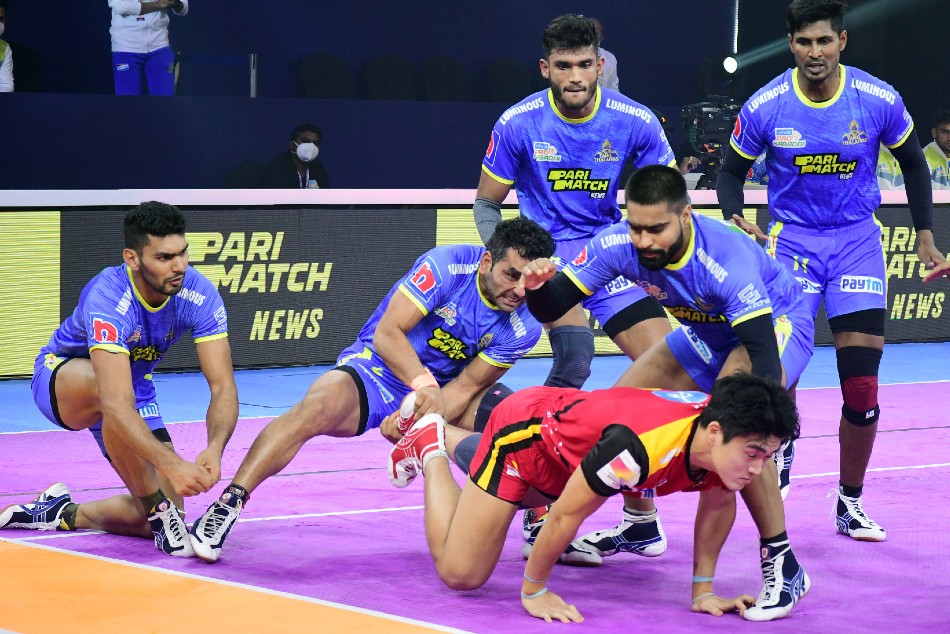
We’re actually watching this play out already. Kabaddi’s rise over the last few years is a good example: better league structure, better broadcasting, better player support, and suddenly a sport that was mostly a village pastime has attained a national following. Football and badminton have made similar moves (albeit the mismanagement of Indian football team is a case study in itself on how not to run a sporting body). Cricket didn’t block any of that from happening earlier. It just happened to get there first.
Where This Leaves Us
Going forward, it’s worth dropping the argument that pits cricket against everything else. There’s no contradiction in admiring what cricket’s administrators built, a sporting culture that has given the country a real sense of pride and joy. At the same time, people also want better for hockey, football, and every other sport that deserves a bigger stage. The path there isn’t complicated, even if it’s hard work. They need better management, actual investment in young athletes, and a genuine effort to connect with fans. Whenever an Indian athlete wins gold in any sport, the whole country celebrates just as loudly as it would for a cricket World Cup. That tells you the appetite for sports other than cricket is already there.
In parting, I would only reiterate the fact that cricket didn’t take anything from anyone. It just showed what’s possible when a sport is taken seriously by the people running it. The rest of Indian sport doesn’t need less cricket, it needs its own version of that same commitment, endeavour and zeal.
 The free voice