New Delhi, July 25, 2026
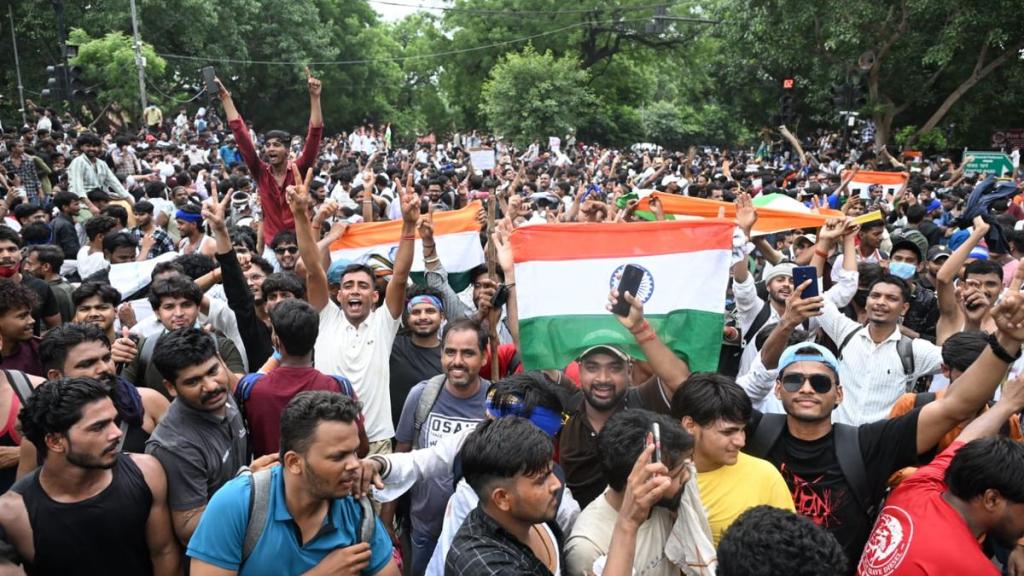
By Saturday afternoon, the news had ripped through the tent city at Jantar Mantar faster than the police could keep up with it: Dharmendra Pradhan, India’s Union Education Minister, had resigned. It was the end of seven weeks that nobody, not the government, and maybe not even the students who started it, quite saw coming.
A broken exam, and then a broken promise
The trouble traces back to May 3, when more than two million students sat the NEET-UG exam, India’s gateway to a medical college admission. Within days, reports of leaked papers began surfacing out of test centers around the country. The government’s responded by handing the probe to the CBI and ordering a re-test, which was meant to calm things down. Instead, it did the opposite. For students who had spent years grinding through coaching hubs like Kota and Patna, the whole point of the exam was that it was supposed to be fair. Once that trust broke, no amount of damage control could put it back together.
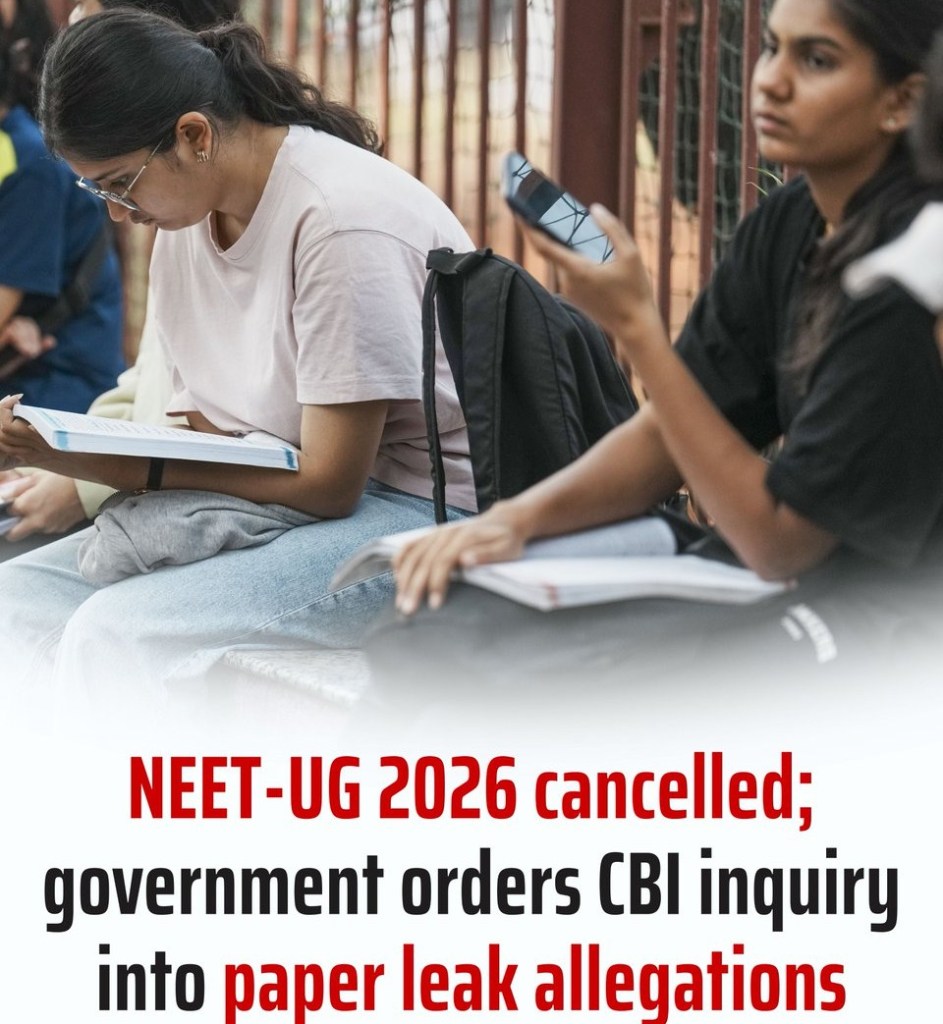
The anger wasn’t just about fairness of the examination and frequent paper leaks. In the weeks between the exam’s cancellation and the rescheduled re-test, Indian outlets reported more than a dozen suicides among NEET aspirants. Those deaths are widely seen as one of the things that turned scattered frustration into an organized movement. For many of the students who eventually made it to Jantar Mantar, this had stopped being about a single test and become about who would be held responsible for what the failure had cost. What started as anger over one test slowly turned into something bigger, a demand for someone in power to actually held accountable.
From internet meme to national movement
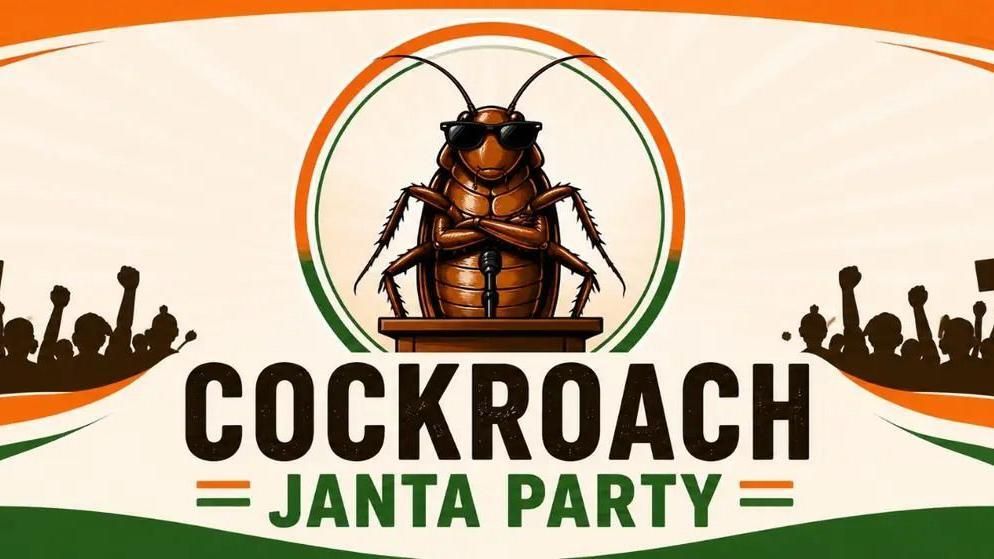
The strangest part of this story might be how it began. In May, a political communication strategist named Abhijeet Dipke started something called the Cockroach Janta Party aka CJP as a piece of political satire, half meme and half protest movement. By June 6, it wasn’t a joke any more. Students, doctors-in-training, and youth groups started showing up at Jantar Mantar in real numbers, and they kept coming back.
What grew there over the following weeks looked less like a rally and more like a small movement. Volunteers ran first-aid tents. People slept on the pavement through the heat and the monsoon rain. There were teach-ins, open mics, strategy sessions that ran past midnight. When mobile data got patchy near the site, people communicated with each other the old-fashioned way.
Sonam Wangchuk’s hunger strike
On June 28, the movement found its most powerful symbol. Sonam Wangchuk, an engineer and education reformer from Ladakh. He walked into Jantar Mantar and announced he was starting an indefinite hunger strike alongside a group of students.
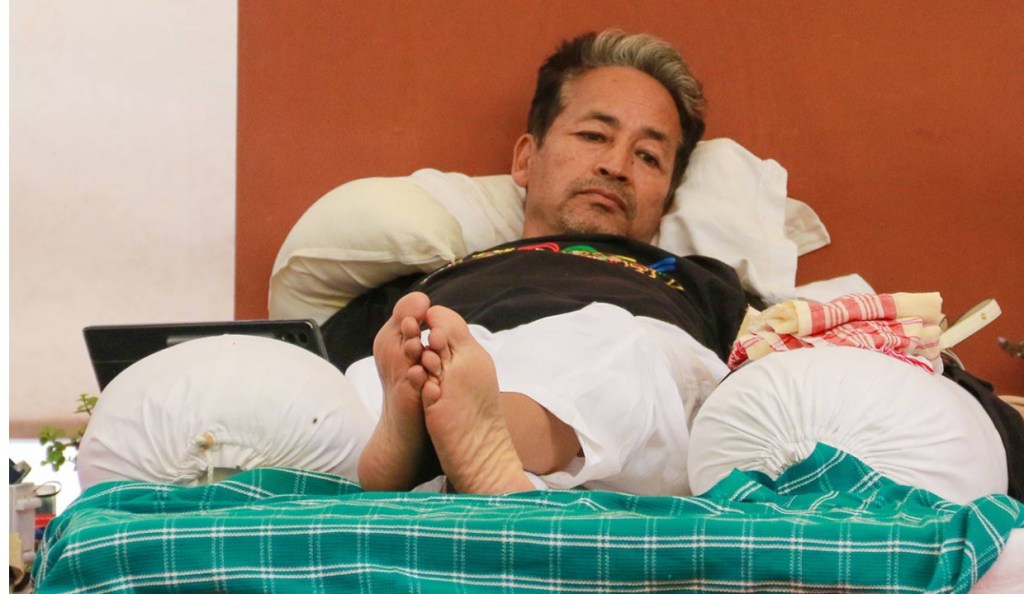
He kept it up for nearly a month. As the days passed, his health became a story of its own: doctors checking his vitals, crowds gathering just to sit near him, people sending letters from across the country. At one point police physically removed him from the site, which only deepened the anger rather than dispersing it. Opposition leaders publicly pressed him to stop before it went too far. He finally broke the fast just after midnight on July 24, following talks with government ministers. But he made clear he wasn’t backing down on the movement’s core demands, rather stepping back from the fast only.
The spread of protest
Delhi was the epicentre, but the protest didn’t stay in Delhi. Sit-ins and marches spread through Uttar Pradesh and Bihar, candlelight vigils wound through the streets of Kota, and solidarity demonstrations popped up in Maharashtra and Tamil Nadu. By the time Pradhan resigned, versions of this protest had touched more than a dozen states. Opposition parties threw their weight behind the students’ central demand, and pressure built to the point where it started to threaten how Parliament itself would function.
The resignation
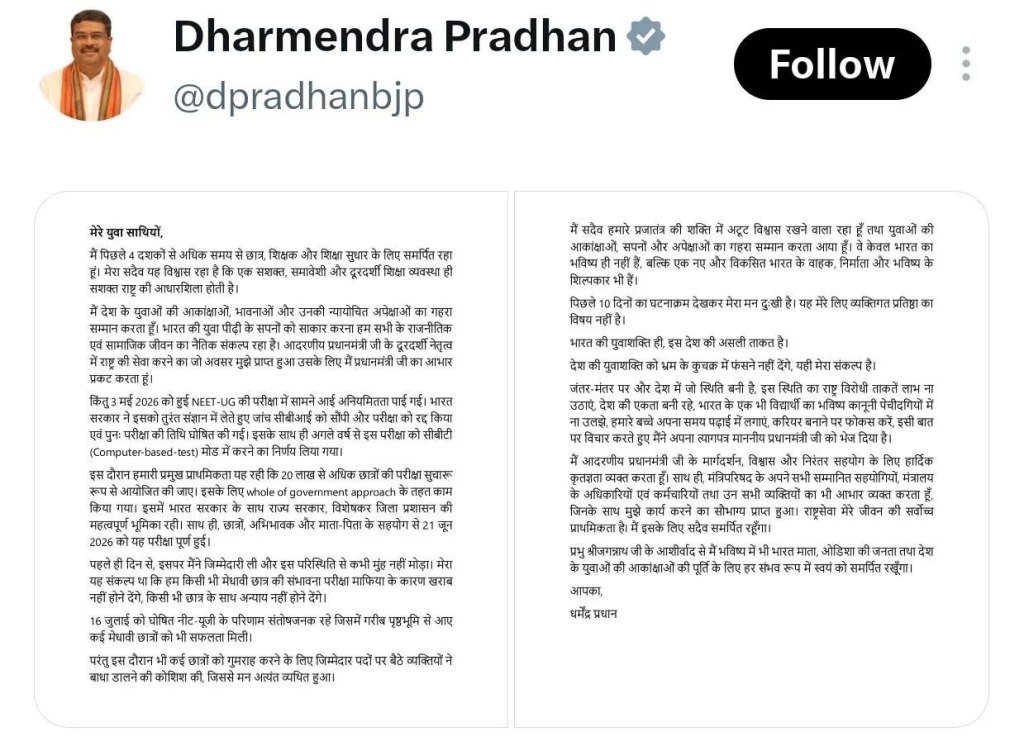
Pradhan announced his resignation in a post on X on Saturday, addressed to the Prime Minister. He defended the steps his ministry had taken but said he didn’t want students’ futures, or the country’s unity caught up any further in the fight. In his own words, he wanted to make sure no student’s future got tangled in legal complications, and that young people could get back to their studies instead of the streets.
Alongside the resignation, the government signalled a set of reforms that are coming:
- NEET-UG moving fully to computer-based testing
- A new anti-paper-leak law, with penalties reportedly up to ₹10 crore and prison terms up to 10 years
- Fast-track courts specifically for exam fraud cases
- An independent audit and restructuring of the National Testing Agency
What happens now
At Jantar Mantar, the reaction was somewhere between relief and disbelief. People who’d spent weeks sleeping outside in the heat had just watched a sitting Cabinet minister step down because of them, only the second resignation from Union Council of Ministers ever since BJP government came into power in 2014. But CJP organizers were quick to say this isn’t over. A resignation is a symbol, but they argue that the real test is whether the reforms actually get written into law. Security forces have already started clearing parts of the protest site, and the students say they’re not going anywhere until they see it through.
Whatever happens next, it’s hard to overstate what already happened here. A meme account turned into a movement large enough to end a minister’s career, powered in no small part by one man’s decision to stop eating until someone listened.
 The free voice