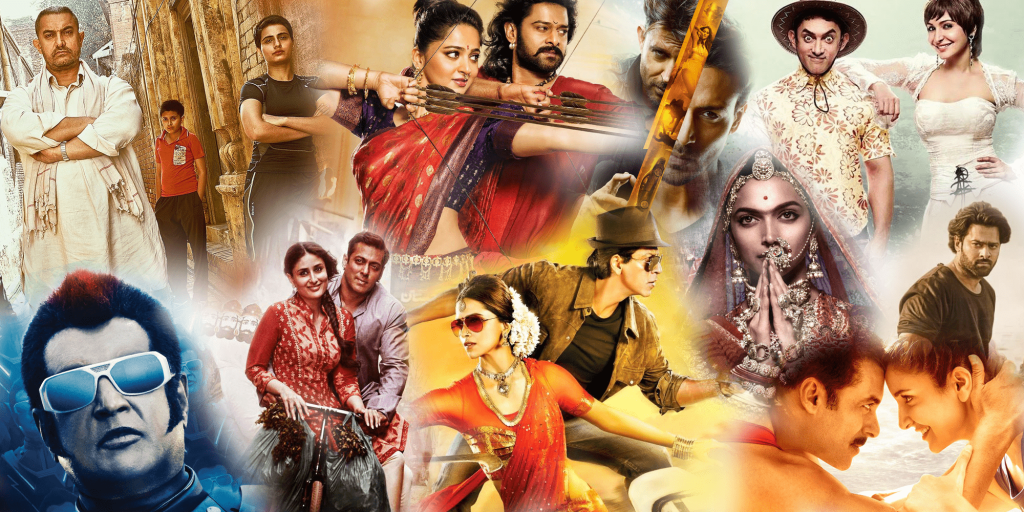
Indian cinema has been fairly popular outside India, especially in the Middle East, African countries, and, to some extent, in the US market. However, for decades, it has been facing a frustrating paradox. It has one of the most obsessive cine-going audiences in the world, and yet, when it comes to the global box office gross, it rarely breaks past one or two markets and remains mostly reliant on its domestic market for most of its business, although RRR has recently proven that foreign cine goers have a taste for Indian masala epics. There comes a point, though, when an industry’s sole goal shifts from catering to its domestic market to conquering the world; Ramayana is that film for India.
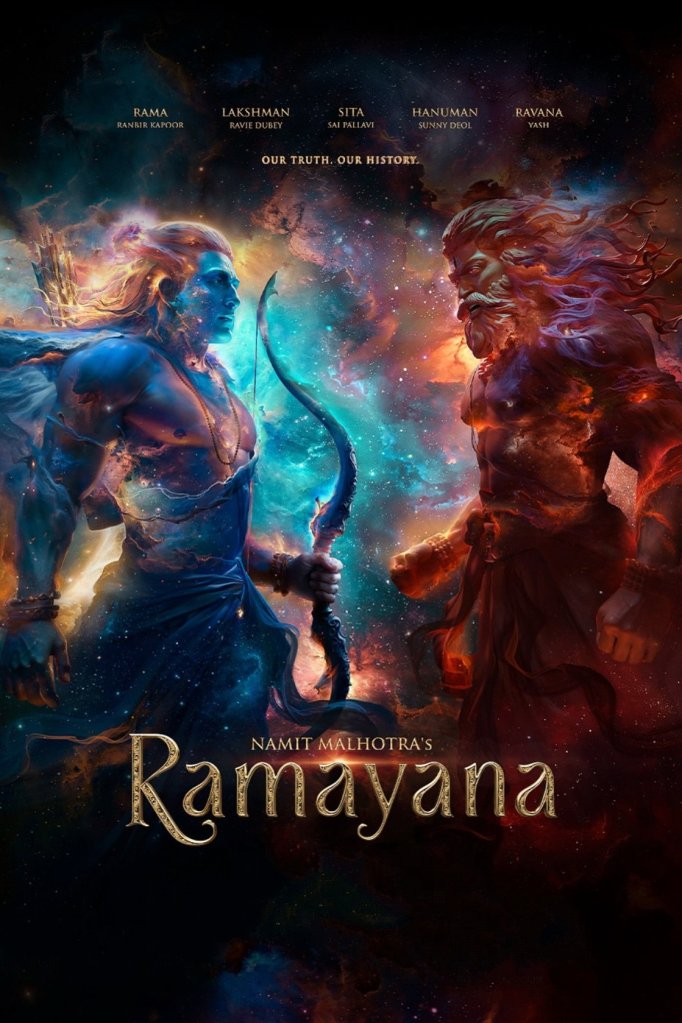
India has been searching for its LORD OF THE RINGS and CROUCHING TIGER, HIDDEN DRAGON for a long time, and from the looks of it, it has finally found it. This isn’t just another mythological adaptation; it’s the most expensive cinematic project in the history of Indian cinema and is aimed squarely at the global audiences. It’s projected to be a “shattering the glass ceiling” moment for the industry on a global stage.
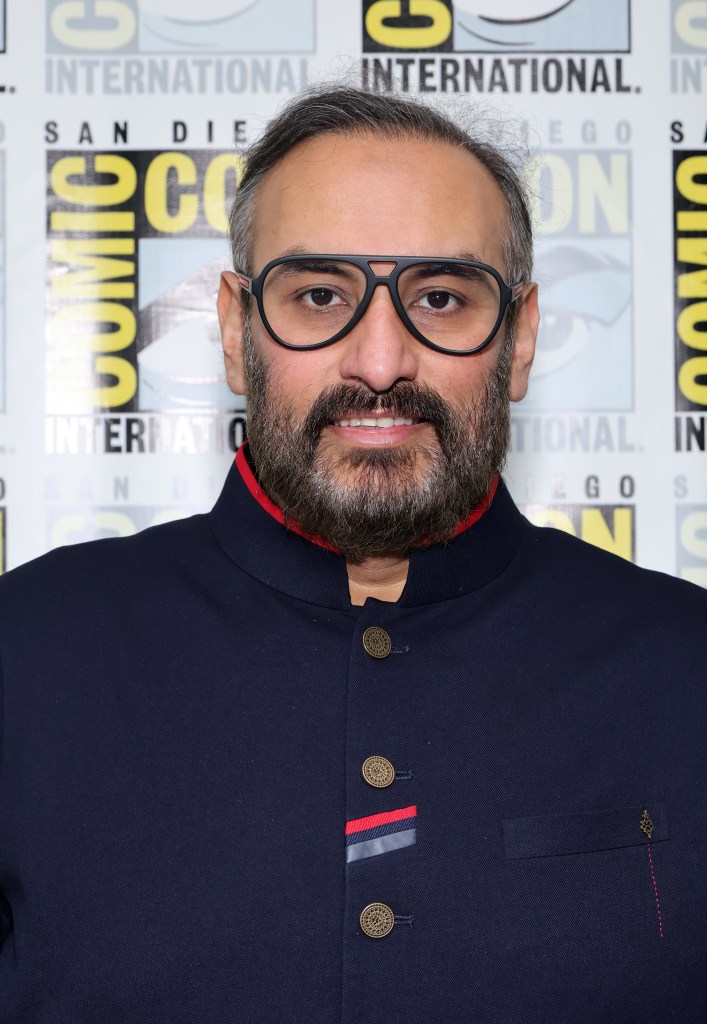
Backing this humongous project is Namit Malhotra, the CEO of DNEG—a seven-time Academy Award-winning visual effects company—so not your traditional studio head looking to cash on easy trends. For a long time, jarring and not-so-optimum VFX has been a standard for most of India’s big-budget films, so Namit’s involvement in the project feels like a healing touch. It’s like he’s putting his reputation on line to prove that Indian production pipelines can match that of Hollywood, especially considering the enthusiastic press tour he is on.
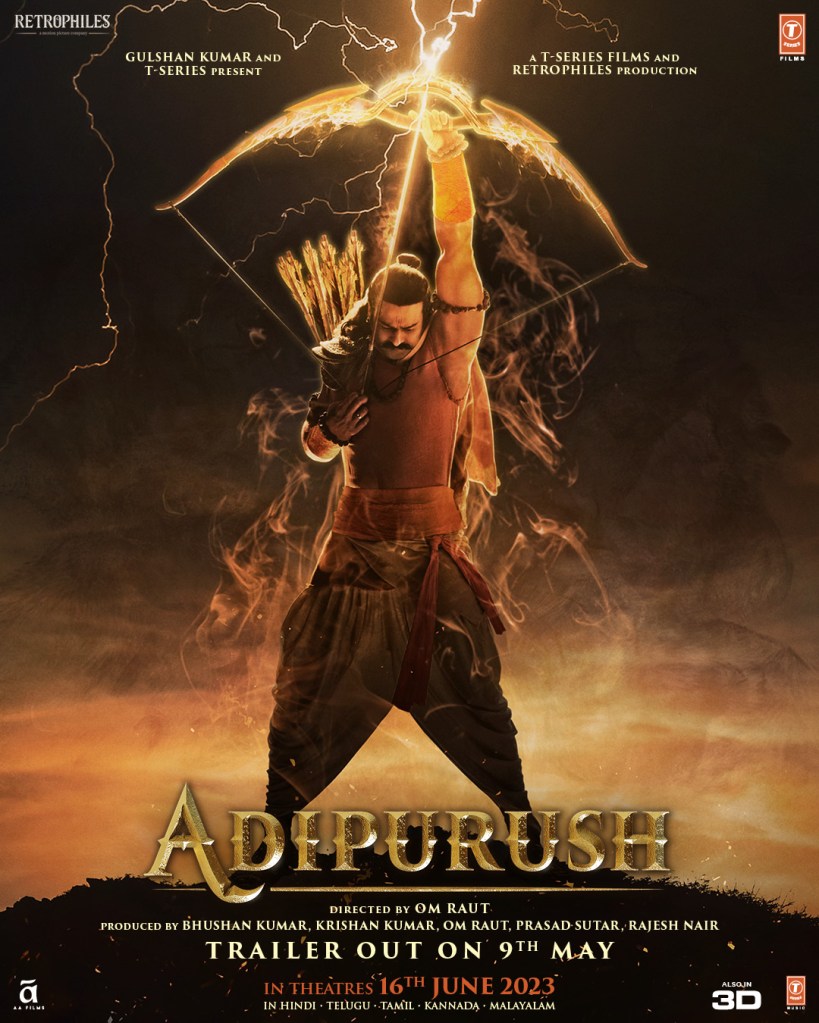
Ramayana is definitely riding on the hope of global domination, but it’s also haunted by the ghosts of recent missteps. Not too far back, Ramayana was adapted into another pan-India blockbuster by the name of ADIPURUSH, and its failure was on an entirely different level. The visual and cinematic failure of Adipurush, along with the significant backlash it generated due to its unfaithfulness to the source material, is a lesson in how not to do an adaptation.
This is where the task of adaptation becomes even trickier for Ramayana. Adapting a sacred literature like the Ramayana to the cinema naturally carries higher stakes than adapting a comic book/novel. One wrong aesthetic choice or tonal misstep, and billions of people are alienated even before a single ticket is sold. That’s why Ramayana has to make sure that the screen adaptation remains faithful to people’s sentiments but also that it doesn’t become just another footnote in the history of adapting Ramayana for cinema, like Adipurush.

The film has assembled an impressive cast that also has a pan-India appeal. Ranbir Kapoor is known for his amazing acting craft, while Sai Pallavi brings grace and grassroots credibility to the table. Yash is known for his impressive mass box-office appeal throughout India.
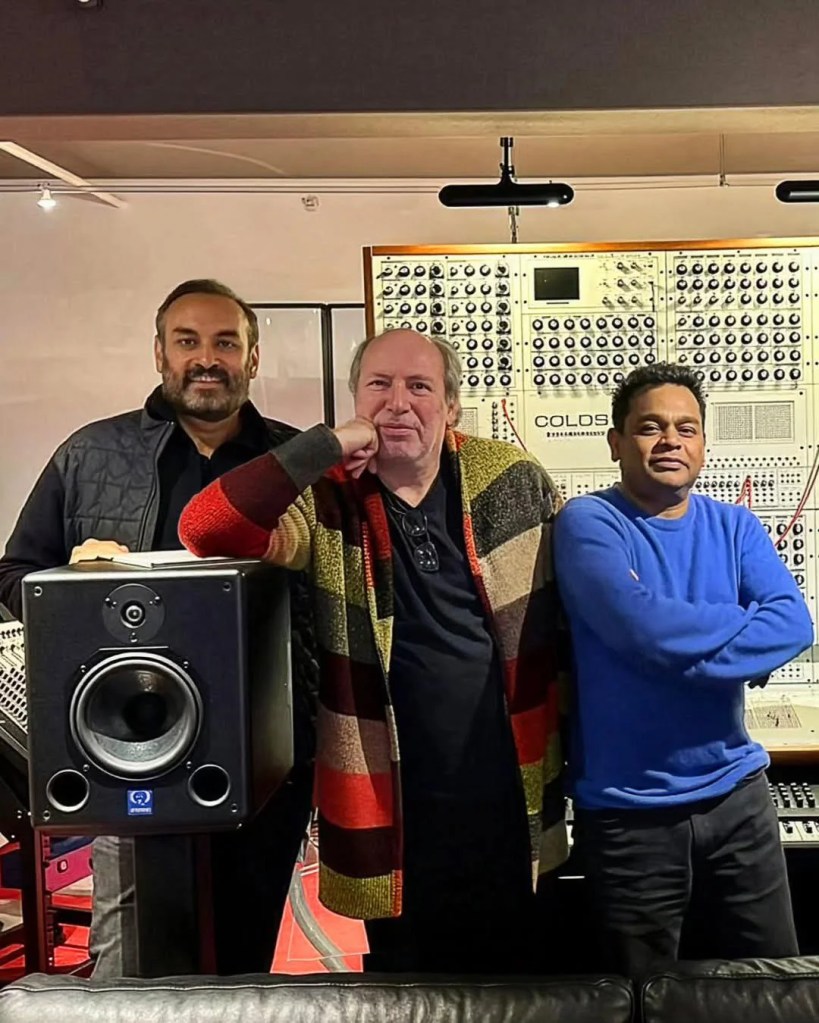
The biggest gamble the film is playing is on its sonic front, where two maestros, A.R. Rahman and Hans Zimmer, are coming together. This cross-cultural pairing is supposed to bring Hollywood symphonic grandeur and Indian melodic motifs together to make the music recognizable to the international audiences.
At an estimated budget of 1500-1800+ crores for each part, domestic ticket sales alone can’t make this film profitable. Even the highest-grossing domestic film in history, Pushpa 2, was unable to cross 1500 crores at the Indian box office. So, the foreign markets become crucial here. The film must work in North America, Europe, East Asia, and the Middle East, and that too as a mainstream theatrical event.
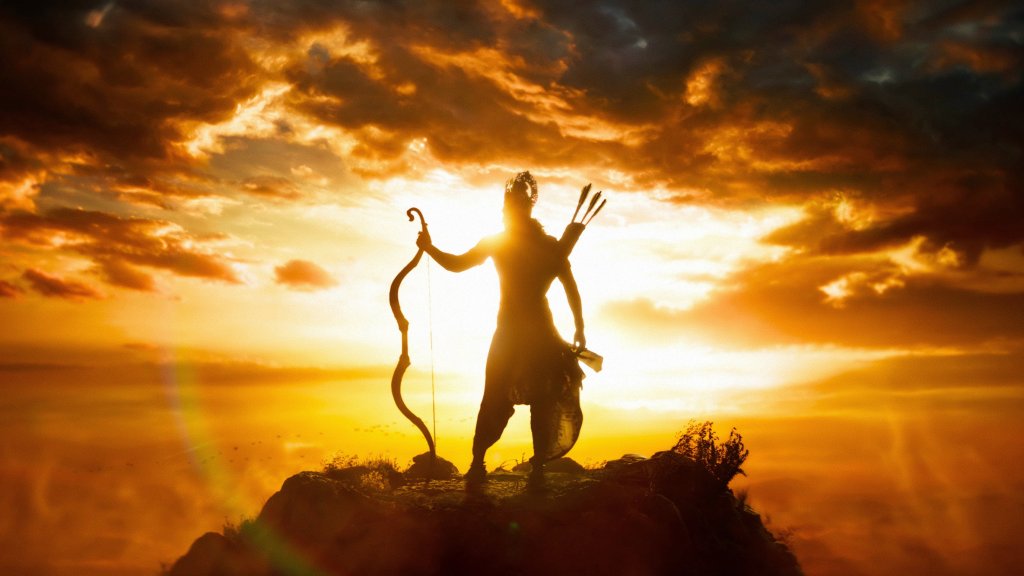
This is the most audacious swing ever taken by any Indian film at the global stage. If Ramayana succeeds, it will open a floodgate and unlock the global marketplace for Indian mythological epics, cinematic universes, and blockbusters, and, if it fails, it’ll freeze the Indian mega-budget global ambitions for decades to come. So, at this point, Ramayana is no longer a movie; it’s a declaration of intent. The film is proving that Indian storytelling is done asking for a seat at the global table; it’s going to take it himself.
 The free voice