Imagine the Diwali weekend. People are in full festive mood, enjoying the holidays, with no work stress, just making memories with family and loved ones. As far as the box office goes, it’s one of the best times for a film to release. Most families step out for a movie, and big festive releases open to packed houses.
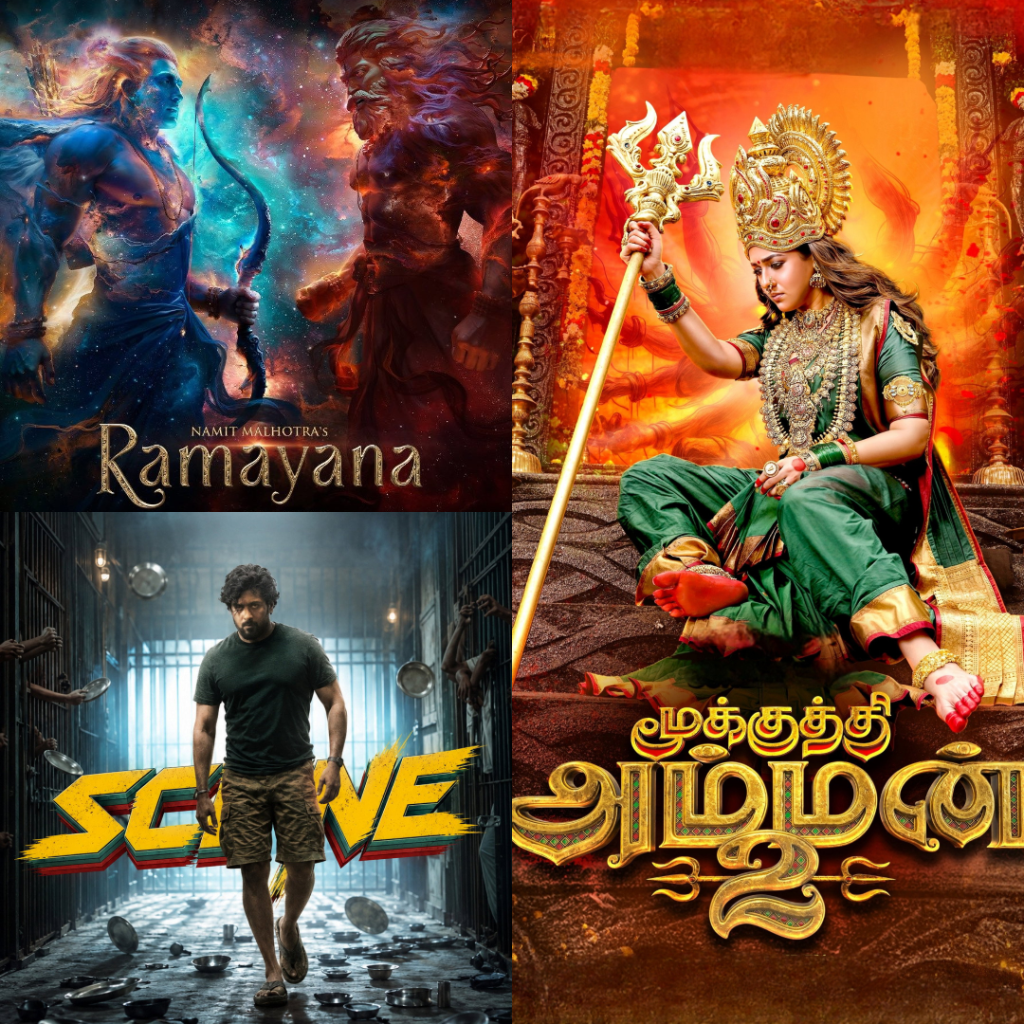
This year, we’ve got three such films. On November 6, Ramayana: Part 1 is releasing along with Suriya’s Scene and Nayanthara’s Mookuthi Amman 2 (Maha Sakthi). Three Diwali films in the same weekend. That could be a real problem for Ramayana at the box office.
Honestly, Ramayana is the biggest of the three—no contest. Be it star power or sheer scale, it’s way ahead. Ranbir Kapoor is stepping in as Lord Ram, Sai Pallavi plays Mata Sita, and Yash plays Ravana. And it’s releasing in multiple Indian languages too, which pretty much tells you the makers are going all out for a proper pan-India theatrical event. So, will the other two films eat into its box office potential?

Maybe not in the traditional sense, but it could certainly affect the ceiling that it is aiming for. North India should still be Ramayana’s to lose, and that is a massive advantage. There is an obvious reason why it entered this race as a favourite. The source material itself is well-known. Audiences do not need any background about who Lord Ram, Sita or Ravana are. They are familiar throughout the country, and have been for decades. Add Ranbir Kapoor, Sai Pallavi and Yash to the mix, along with massive production value, and it is shaping up as an event film like never before.
Some families might not have seen an average Hindi actioner, but they’ll be interested in an epic retelling of the Ramayan. These are the kinds of people who also want to watch it with their families, on the big screen. That is an advantage which only Ramayana has in North India. South India is a different story altogether, which brings us to the next film in this list.
Scene could trouble Tamil Nadu for Ramayana
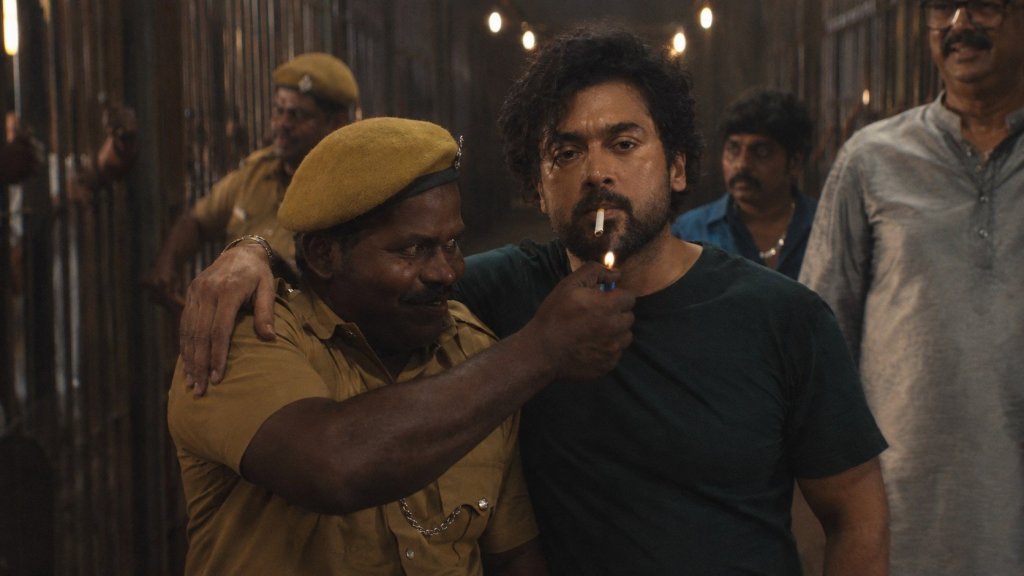
Scene is in this conversation, and it’s not hard to see why. Suriya has a massive fan following in his home state of Tamil Nadu, and a Diwali release only adds to the hype, especially considering how good a year he had in terms of box office success with films like Karuppu and Vishwanat and Sons. As a result, he could give Ramayana a run for its money in the State. Not that the two have much in common. Scene is a modern-day superstar film, while Ramayana is an epic mythological venture. They do have overlapping audiences. But there is only so much screen space and so many shows.
The Diwali holidays have only one weekend, and people are unlikely to spend the entire duration watching these three films. Therefore, a successful Scene can adversely impact Ramayana’s collections, without having to outright beat it. It just needs to become the default choice for a certain section of the Tamil audience, in order to reduce the number of shows for Ramayana. And for Ramayana, which is looking to maximise its weekend collections, these reduced numbers can add up to a significant difference. The competition is not necessarily for the No. 1 slot, but for the audience share.
Then comes Mookuthi Amman 2
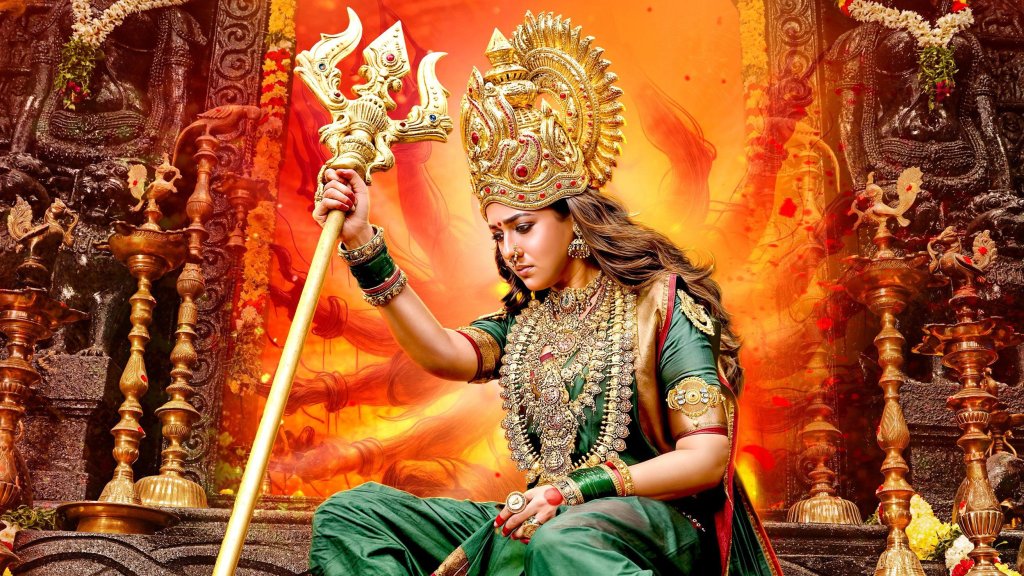
Nayanthara is returning to the Mookuthi Amman universe with Sundar C at the director’s chair. Plus, the film is being made on a much bigger scale than the first instalment. That is not unusual for a sequel, but the main thing to notice here is that this one also shares lots of DNA with Ramayana. Both are mythology-based films that star a celebrity of big stature and are banking on spectacle to drive their appeal. The competition would be a lot closer than most people think.
There is an obvious question that is asked here. What if families want to watch all three films during the Diwali break? There are enough days in the Diwali holidays to watch these three films, if the audiences want to. That would devalue whatever competition there is between these three films.
But the reality is that it rarely works like that. During a big holiday, audiences will divide themselves into groups of people who want to watch one film and people who want to watch another. Some might even switch between the films, depending on how they are receiving word of mouth. This is not an outright competition, because the audiences are free to choose whichever film they want to see.
But the upcoming situation certainly is one, because these are the kinds of films which command premium show timings, and the majority of audiences will choose to watch them in the first week. That is when the real competition between these three films will take place.
The South could reduce Ramayana’s collections, not damage its prospects
There is an easy assumption to make here. Three-way clashes usually hurt the smaller film, but given the situation, it will be hard for Ramayana to escape unscathed. This is an oversimplification, because the Hindi audience for Ramayana is massive. It could well be the biggest release of the year, given the right word of mouth and critical response.
The truth is that the Hindi audience is large enough to make the filmmakers indifferent to whatever competition they face in the South. In other instances, Tamil Nadu would have represented an alternate avenue of exploration for Ramayana, but that’s not the case here.
Had this film been released on its own during Diwali, it would have had a much better time at the box office. The competition would be absent, word of mouth would build steadily during the first weekend, and the entire film would receive a huge hype as a festival film. These advantages are no longer available with the November 6 release date, because now there is an option to choose between three Diwali films.
The local star power in Tamil Nadu will also play a role here. Suriya and Nayanthara are both massive names in the State, giving Scene and Maha Sakthi an edge over an outsider like Ramayana. Therefore, the South Indian audience is not an outright threat to Ramayana’s collections, but it is a market where the film could have performed better.
Everything can change if one film gets better word of mouth
This is the single most unpredictable factor in this equation. Opening day will be crucial, but the word of mouth could dictate the direction of travel for the rest of the week. If Ramayana manages to get the kind of response that people are expecting from it, then it might as well end up winning the race outright.
Families will recommend it to each other, and social media conversations will take off. It could become an event film, in the same way as any other Diwali release. As a result, people will come out to watch it in droves, in the same way as they would for the other two films.
The same rule can apply to Scene or Maha Sakthi as well. If these films get a decent response from the audience, then they might well end up surpassing Ramayana in terms of collections. Families might prefer a smaller film which delivers on its promises to a larger film which did not live up to its star power. People are also unlikely to give a second chance to a film which they did not enjoy on first view.
That is the biggest danger which the Diwali clash poses for the collections of these three films. The audience share in Tamil Nadu is likely to dictate the opening weekend of Ramayana, and the extent to which it will be able to recover from the competition of the other two films.
For now, it does look like Ramayana Part 1 will be the biggest domestic grosser among these three, but it cannot claim to be the most popular film of the Diwali season. Its collections will be higher than the other two, but only because it has a much bigger audience to cater to. In reality, it was always going to be an event film, with a dedicated fan following. The only thing that could change is the kind of opening it will make at the domestic box office.
It could miss out on the No. 1 slot, or even the top blockbuster tag, due to the competition from Scene and Maha Sakthi. Although that is unlikely, given the sheer scale and star power of Ramayana, this clash could hurt the kind of mammoth opening it is looking to make.
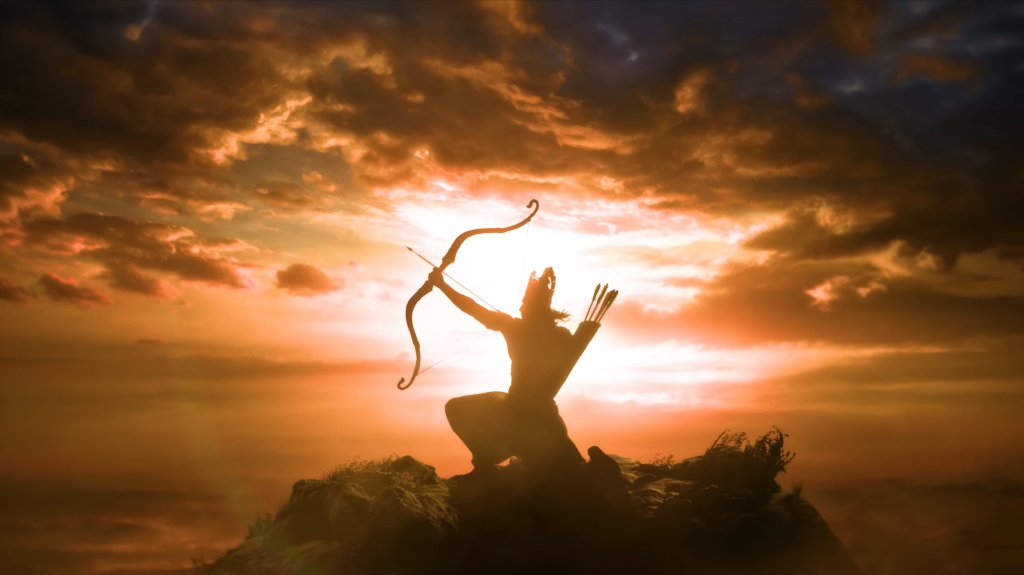
In the end, though, for Ramayana, the challenge isn’t simply beating Scene and Maha Sakthi. It’s making sure audiences pick Ram’s story first.
 The free voice