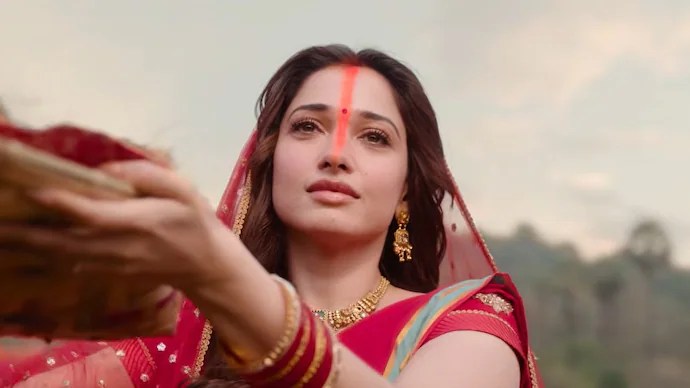
A new song has been released named “Chhathi Maiya”. It belongs to the soundtrack of film called The Vvaan: Force of the Forrest. The film is going to be released on September 25. In the song, Tamannaah Bhatia stands in a river at dusk, holding a bamboo soop filled with fruit, and praying to the sun. It’s a ritual that is performed by lakhs of women across Bihar, Jharkhand and eastern UP every year. The song has been sung and composed by Vishal Mishra, and the lyrics are written by Kaushal Kishore. The whole track is in Bhojpuri, not in Hindi.
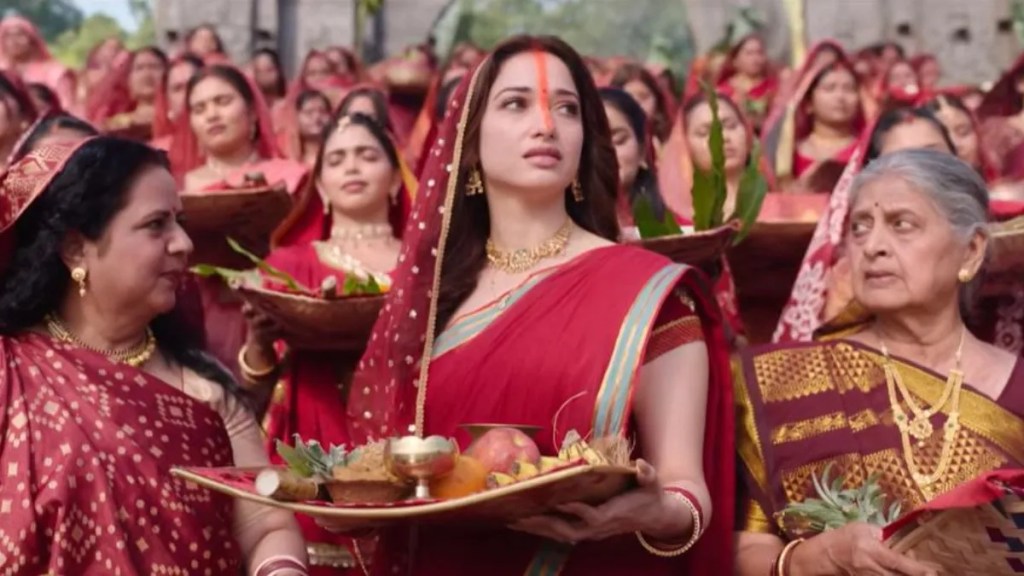
This might sound like a promotional info for the song; it isn’t. It is a song that has been released for an upcoming Hindi film, and it’s a first for the Chhath festival to be featured so prominently in a mainstream Bollywood film, which might sound hard to believe.
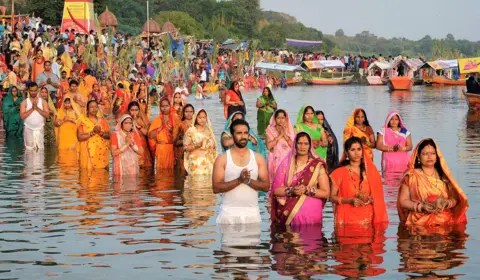
Consider how odd the situation is. Chhath is one of the largest festivals in our country because of the massive number of people celebrating it. And it’s a gruelling festival. The person who is observing the vrat goes without food and water for roughly 36 hours. They also have to stand in cold water at both sunrise and sunset while praying. It is said that Karna also did it in the Mahabharata. The songs of this festival have been sung for more than five decades by Sharda Sinha, and her voice has been the soundtrack of the festival in half of North India. Yet Bollywood has never made it the focal point of a scene, never mind an entire movie, until this month.
Then compare that to everything Bollywood has done, over and over, with other festivals. Holi has been shot thousands of times – from Sholay to Yeh Jawaani Hai Deewani. Karva Chauth has been practically turned into an entire genre where the wife gazes at the moon through a sieve, and the husband turns up just in time for a perfect shot. Durga Puja Pandal, Ganpatibisarjan, Diyas lit up on the roof and so on for Diwali; all of this is done whenever a film requires a festive setting. Chhath never got that treatment. Not once, in decades!
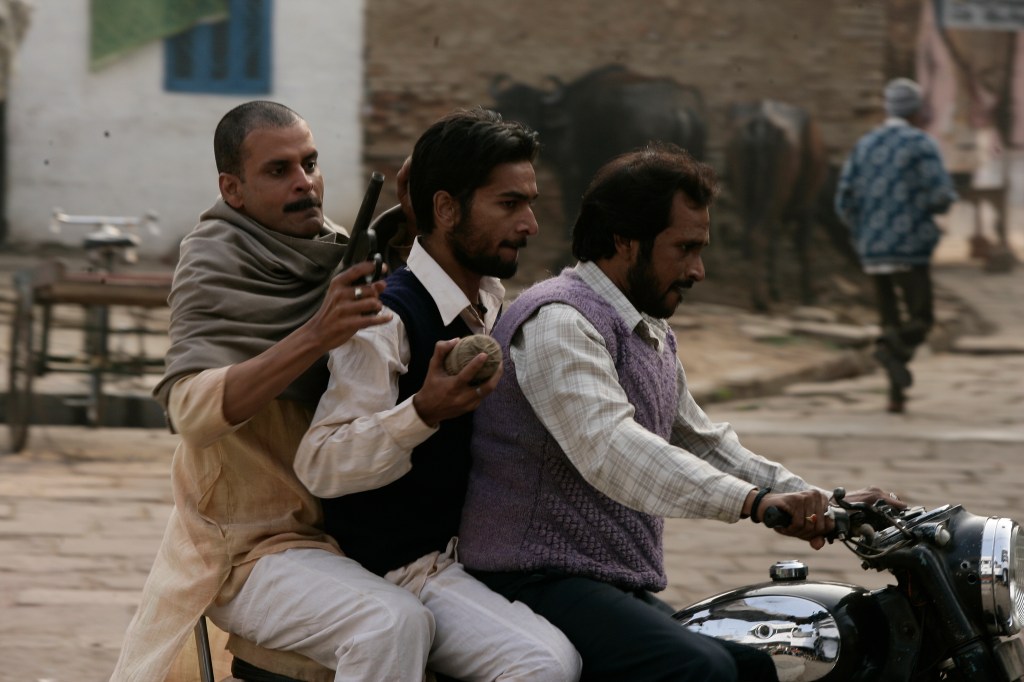
What was Bollywood doing with Bihar all the while if not this?
In general, it was committing a crime. In 2012, Anurag Kashyap released his magnum opus Gangs of Wasseypur in two parts. It became the most Bihar-coded mainstream Hindi film ever made. The soundtrack of this film leans heavily towards Bihar’s folk songs, with the wedding song ‘Taar Bijli Se Patle Hamare Piya’ sung by Sharda Sinha herself. The film, however, uses the region as a canvas for a three-generational gang war, not a space where people pray and celebrate. As a native of Bihar, Prakash Jha crafted a career out of movies like Damul, Gangaajal and Apaharan, which were all about crooked cops, corruption, and caste violence in Bihar. These are solid films; some are important too. But none of them shade any light on the cultural richness of the region.
When Bihar wasn’t the backdrop to a film about a gangster, then it was just a punchline, where the natives are shown with an exaggerated tone of voice for comic effect. A general shorthand expression of backwardness attached itself to the state and to anyone who moved out of it for employment. If anyone grew up watching Hindi films from Bihar or the Purvanchal belt, they must have become accustomed to the regressive portrayal of their region. Very rarely is there anything gentler in the portrayal of the region.
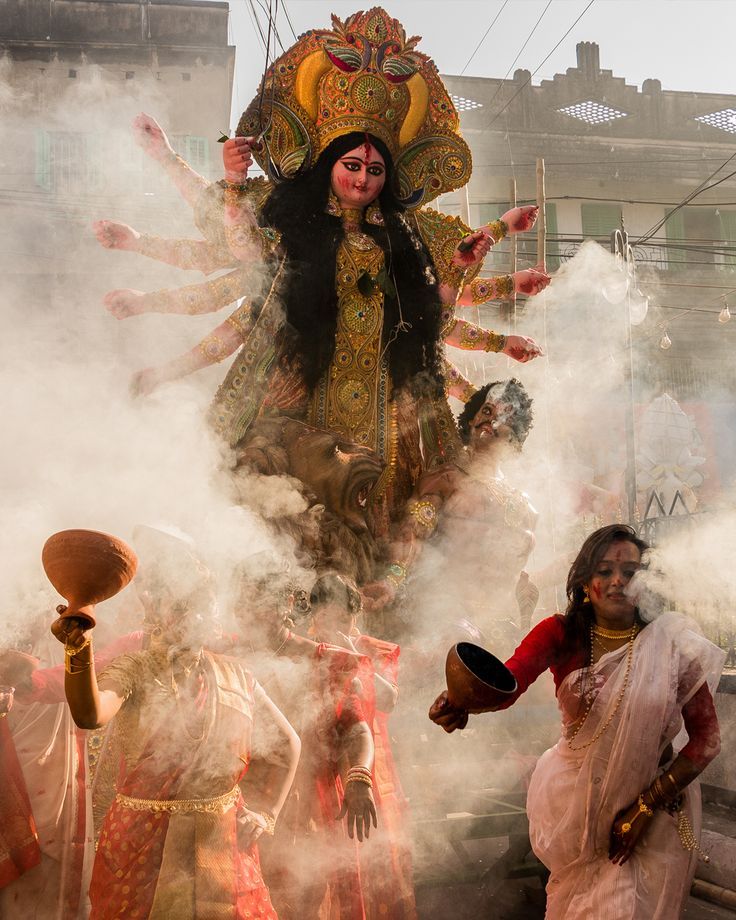
There is also a fact about the ease with which other festivals can be shot. Durga Puja gives a director an idol, a pandal, a drumbeat and a five-day countdown to visarjan. Chhath provides none of that. No installation of a murti, no chanting of any priest, and no procession. There is only a person standing quietly in water thanking the sun. It’s a festival of endurance and gratitude, not spectacle. It’s not a coincidence that it took a Bhojpuri song and not a Hindi song to nail this one. Chhath’s musical tradition was always rooted in Bhojpuri. It existed on cassette tapes and radio, and on the ghats, sung by women.
But that isn’t quite the whole story of the silence around Chhath. Cinema was able to export Karva Chauth to the mainstream, which is also a very private and personal ritual. There could have been a way here too. Bollywood just never felt it was worth the trouble to impress the audience of that particular region, even as that same massive audience has been buying tickets all along.
It must be said, Chhath has been seen on the big screen before. Several Bhojpuri films have been made about the festival. TVF also made a Chhath episode for the OTT viewers. So, it’s not the first time that the festival has been shot for the big screen, but its first time for a big-budget mainstream Hindi film meant to be released in Multiplexes.
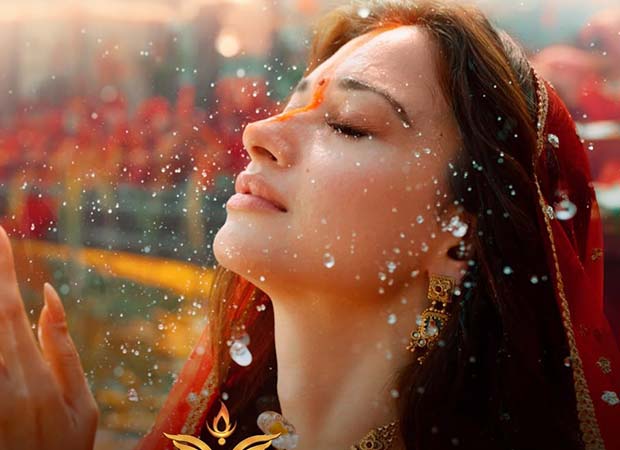
Which is what makes this moment worthy of attention, regardless of what you end up thinking about the quality of the film itself. Tamannaah has spoken so enthusiastically about learning the ritual properly before filming it, rather than taking a shortcut on that front. This isn’t the only case either. Just last month, Sooraj Barjatya’s next film, starring Ayushmann Khurrana and Sharvari, was reportedly spotted in the process of shooting a scene that bears a striking resemblance to Chhath, although the makers are yet to confirm. Two mainstream productions portraying Chhath in the same year can’t be a mere coincidence. It means that the industry is finally realising that Bihar is not a place that produces gangsters and comic sidekicks, but a place with its own culture, gods, music and audience.
One song isn’t enough to negate years of stereotypes. But it’s a start, and it matters. If nothing else, “Chhathi Maiya” song has already done something no Bollywood movie ever did before; it brought the spotlight to a festival that never asked for one, and made it feel like it always belonged there.
 The free voice