India, along with Russia, China, and Pakistan, has opposed US plans to take control of the Bagram air base in Afghanistan. The move comes ahead of Taliban Foreign Minister Amir Khan Muttaqi’s visit to India, highlighting growing regional diplomacy and the emphasis on Afghan sovereignty and stability.
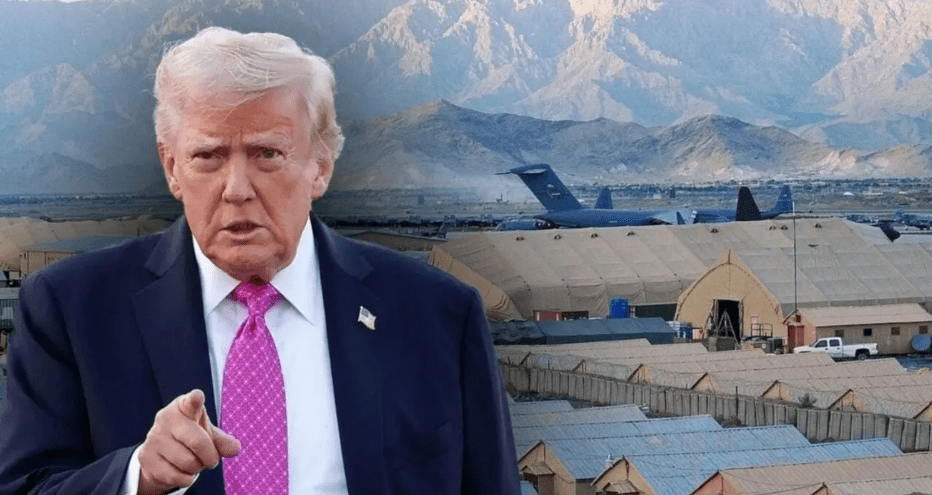
India has joined Russia, China, and Pakistan in opposing US President Donald Trump’s attempt to take control of the Bagram air base in Afghanistan. The decision coincides with preparations for Taliban Foreign Minister Amir Khan Muttaqi’s visit to India later this week, a key moment in regional diplomatic engagement.
Bagram Air Base Remains Strategically Important
The Bagram air base has historically hosted thousands of US and NATO troops and remains a critical site for surveillance, counterterrorism, and regional strategic operations. Its location has made it a central focus in the US-China strategic competition, attracting attention from multiple global and regional powers. Experts warn that renewed foreign military presence at Bagram could destabilize regional security and disrupt ongoing peace efforts.
Moscow Format Consultations Signal Unified Stance
During the Moscow Format Consultations on Afghanistan, India, Russia, China, and Pakistan issued a joint statement opposing any attempts to deploy military infrastructure in Afghanistan or its neighboring states. While the statement did not specifically name Bagram, it expressed strong opposition to actions that undermine regional peace and stability. This marked the first participation of the Afghan delegation, led by Foreign Minister Muttaqi, in the consultations, signaling increased diplomatic involvement by the Taliban government.
Regional Powers Assert Diplomatic Influence
The unified opposition by India, Russia, China, and Pakistan highlights a growing consensus against unilateral foreign military intervention in Afghanistan. Analysts note that the alignment reflects concerns over destabilizing effects and underlines the importance of multilateral dialogue to manage security challenges. India’s participation is consistent with its long-standing policy of prioritizing Afghan sovereignty and regional stability while addressing humanitarian and security concerns.
The Bagram air base has been crucial for US operations, providing intelligence, logistical support, and rapid deployment capabilities. Trump’s plan to take control of the base raised concerns about renewed tensions in the region. Discussions during Muttaqi’s upcoming visit are expected to focus on bilateral relations, security cooperation, and potential economic and humanitarian assistance.
Implications For Regional Diplomacy
The joint statement by the Moscow Format participants highlights complex Afghan geopolitics, where regional powers are increasingly asserting influence to prevent unilateral actions. The alignment of India, Russia, China, and Pakistan may shape US strategic planning and diplomatic negotiations, ensuring any foreign military involvement considers broader regional interests. The visit of Afghanistan’s foreign minister underscores the Taliban’s growing engagement in multilateral diplomacy and the shared goal of regional stability.
 The free voice