
Delhi began to ban vehicles not up to the BS-VI emission standards from outside the national capital and imposed limits on construction and demolition activities, as part of its Winter Action Plan 2026-27 from Sunday, November 1. The restrictions are in place till January 31, 2027. According to transport officials, the vehicle ban is applicable to over 10 lakh vehicles registered in the neighbouring National Capital Region cities.
Who Is Covered and Who Is Exempt
The ban applies to vehicles registered outside Delhi or in NCR cities like Noida, Gurugram, Faridabad or Ghaziabad that are not BS-VI compliant. “This includes all kinds of vehicles… like goods-carrying vehicles, buses, etc,” a Haryana district transport officer said. However, electric vehicles, CNG or LNG vehicles are exempted. There’s also a provision to allow entry of ambulances, fire brigade, and few of the essential service vehicles. Besides, BS-VI vehicles registered in any state are also allowed. Delhi-registered vehicles, however, are not part of this list, but they are also subject to some other pollution and vehicle age-related norms.
The vehicle ban is an extension of an earlier order. The Commission for Air Quality Management had approved a ban on all non-BS-VI commercial goods vehicles from outside Delhi from November 1, 2025, with a one-year window for BS-IV goods vehicles, which expired on October 31. Essential commodities carrying vehicles too got a one-year extension and will now have to switch to BS-VI or CNG or LNG or EVs. It’s worth noting that around 40 per cent of trucks coming to Delhi carry essential commodities, officials said.
Enforcement, Construction Curbs and the Fallout
So how many commuters are likely to be stopped? Based on the estimates of the transport department, NDTV reported that Gurugram and Faridabad have almost two lakh non-BS-VI vehicles; 70 per cent are BS-III and BS-IV category. There are around 50,000 commercial vehicles. In Noida and Greater Noida, the number is over four lakh, and most of them, over 50 percent, are petrol cars (BS-IV).
The curbs will be imposed at the check posts through AI number plate recognition cameras. Around 300 people are being roped in. They will focus on traffic coming from Noida, Gurugram and Ghaziabad. Commuters were advised to check the emission standards of their vehicles before entering Delhi. They were warned about penalties for the violation. Reports had suggested the fine could be up to 20,000 rupees, but there’s still no official communication on the same. In the commission’s earlier discussions, it was warned that halting vehicles at the borders could lead to traffic jams.
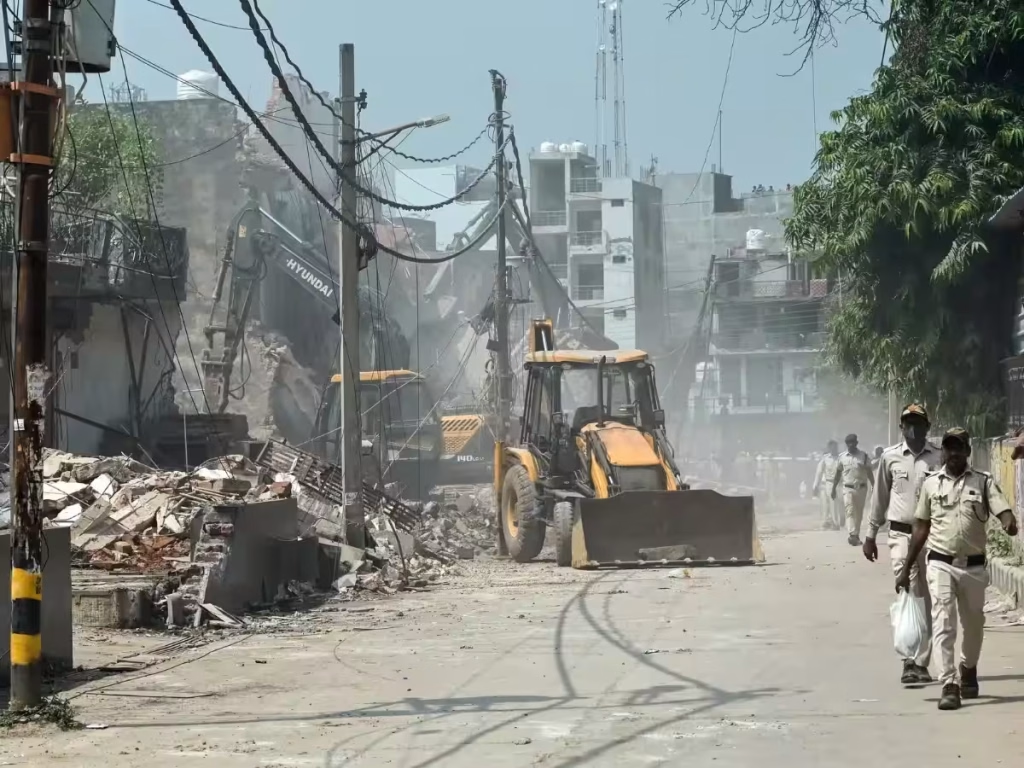
There’s also a ban on all dust-emitting construction, demolition and all outdoor civil construction activity from November 1 to January 31, except for select essential public infrastructure projects. This is followed by an overall ban on all kinds of construction and demolition activities from December 10 to January 20. The curbs are aimed at controlling dust emissions from construction activities, unauthorised demolition work, and disposal of construction and demolition waste. Also, under GRAP Stage III, all non-essential construction activities in Delhi-NCR are not allowed during severe air quality.