The Bangladesh Nationalist Party (BNP), led by Tarique Rahman, has secured a sweeping victory in Bangladesh’s parliamentary elections held on February 12, 2026, according to official results released by the Bangladesh Election Commission. The BNP has won a commanding two-thirds majority in the 299-seat Jatiya Sangsad, according to official results released Saturday by the Bangladesh Election Commission.
The BNP-led alliance secured 212 seats, paving the way for party leader Tarique Rahman to assume the premiership in what marks a dramatic political reversal for the South Asian nation. The Jamaat-e-Islami-led opposition bloc won 77 seats, while smaller parties, including the youth-linked National Citizen Party, captured only a handful. Voter turnout was estimated at 59–60 percent, with polling largely peaceful despite intense political stakes.
Historic Shift After 2024 Uprising
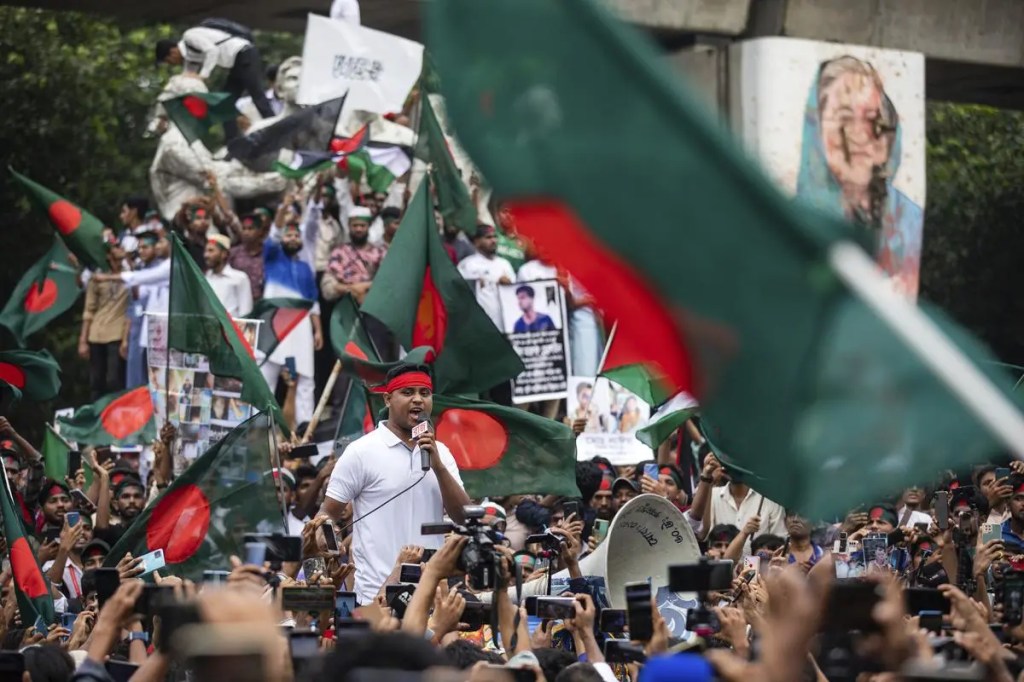
This election was the first since the 2024 student-led uprising that forced former Prime Minister Sheikh Hasina from office and ended the 15-year dominance of her Awami League, which was barred from contesting the vote.
Initial unofficial counts released on February 13 already indicated a BNP surge. The final gazette notification on February 14 confirmed the scale of the landslide.
Rahman Calls for Unity
Returning from 17 years of self-imposed exile in London just months ago, Rahman struck a conciliatory tone in his first remarks, urging national unity and warning against deepening divisions.
He dedicated the victory to those who “sacrificed for democracy” during the 2024 protests and acknowledged the challenges ahead: economic fragility, institutional repair and restoring law and order. BNP Secretary General Mirza Fakhrul Islam Alamgir said the party aims to form a government swiftly, possibly by Sunday.
Interim Leader Muhammad Yunus congratulated Rahman on the “landslide victory” and began preparations for a formal transfer of power.
Voters Back Structural Reforms
In a parallel referendum, voters overwhelmingly endorsed constitutional changes championed by student leaders, including a two-term limit for prime ministers, the creation of a bicameral legislature and expanded representation for women.
Taken together, the results signal not only a change in government but a potential reconfiguration of Bangladesh’s political architecture after years of turbulence.
 The free voice