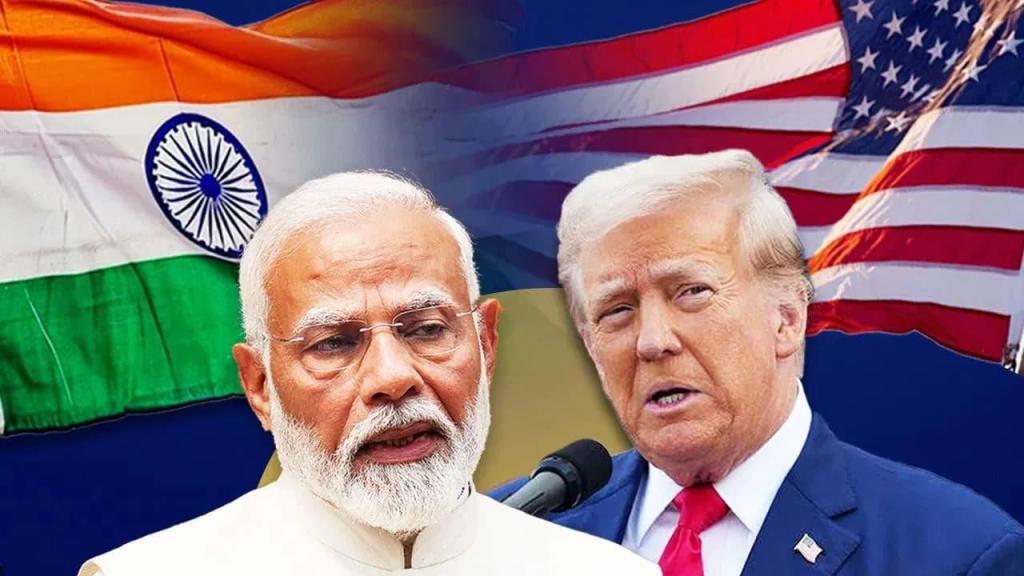
India’s decision to impose a 30 per cent import tariff on pulses from the United States has emerged as a new point of friction in already stalled bilateral trade negotiations. The move has drawn criticism from American lawmakers, who warn it could further delay progress on a long-pending US–India trade deal.
The tariff, introduced quietly late last year, gained attention after two Republican senators from key agricultural states urged President Donald Trump to press New Delhi to roll back the duty, calling it unfair and harmful to US farmers.
Senators Urge Action to Protect US Farmers
Senators Kevin Cramer of North Dakota and Steve Daines of Montana wrote to President Trump, highlighting the impact of the 30 per cent duty, particularly on yellow peas. India imposed the tariff on October 30, with effect from November 1. Both senators represent states that are major producers of peas and lentils, crops for which India is seen as a vital export market.
In their letter, the lawmakers noted that India is the world’s largest consumer of pulses, accounting for about 27 per cent of global consumption. They argued that high tariffs on commonly consumed pulse crops such as lentils, chickpeas, dried beans and peas restrict market access for American farmers.
A Quiet Move With Broader Trade Implications
While the tariff affects a specific category of agricultural imports, analysts say it reflects broader trade tensions between the two countries. The measure is increasingly viewed as a subtle response to earlier US actions, including punitive tariffs of up to 50 percent imposed by the Trump administration on certain Indian goods last year.
What stands out is the low-profile manner in which India introduced the pulse tariff. Unlike more visible trade measures, it was implemented without major public announcements, leading observers to describe it as a “silent” response rather than an open escalation.
Why Pulses Matter to India
For India, pulses are a politically and economically sensitive commodity. They are a dietary staple and a key component of food security, particularly for lower-income households. Governments in India have historically adjusted import duties on pulses to manage domestic supply, protect farmers, and stabilise prices.
The latest increase can therefore be seen both as a protective measure for domestic agriculture and as a strategic signal in trade negotiations.
Echoes of Earlier Trade Talks
Pulses have surfaced in past US–India trade negotiations. Similar concerns were raised during President Trump’s first term, including during talks in 2020 when agricultural market access was discussed at the highest political level. Despite those engagements, key disagreements remained unresolved.
Trade Deal Remains Uncertain
The pulse tariff dispute comes at a sensitive moment, with the broader US–India trade deal still stalled over issues such as tariffs, agricultural access and digital trade rules. While both sides continue to stress the importance of their strategic partnership, trade frictions persist.
Although pulses alone are unlikely to derail the overall relationship, the dispute highlights how domestic political pressures in both countries continue to influence the trajectory of US–India trade talks.
 The free voice