Protests enter third week as security crackdown intensifies and the U.S. issues strong warnings
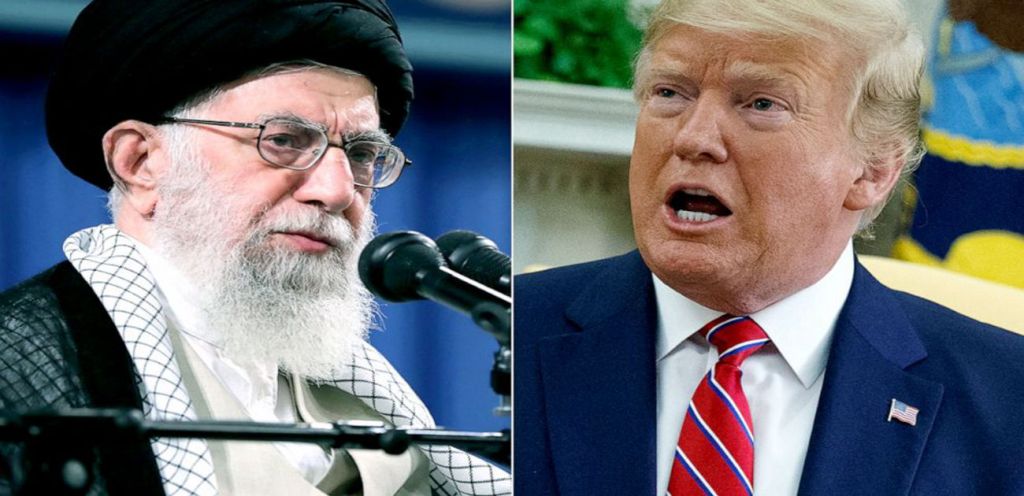
Iran’s nationwide anti-government protests have entered a critical phase, drawing unusually direct warnings from the United States as Iranian security forces intensify their crackdown. As of January 11, 2026, the unrest is the most serious challenge to the Islamic Republic since the 2022–2023 Women, Life, Freedom movement.
Economic Collapse Sparks Unrest
The protests began on December 28 after a sharp deterioration in Iran’s economy. The Iranian rial has lost more than half its value in recent periods, while inflation is estimated between 40 and 60 per cent. Prices of basic goods, including food, have risen by as much as 70 per cent. The crisis has wiped out savings, increased poverty, and forced businesses to shut down. Strikes at Tehran’s Grand Bazaar, long considered a pillar of regime support, marked a turning point. Merchants joining the protests signalled that economic anger was crossing into political dissent.
From Economic Anger to Political Defiance
Economic grievances quickly turned political. Protesters across the country have chanted “Death to the Dictator,” openly targeting Supreme Leader Ayatollah Ali Khamenei. Some demonstrators have displayed the pre-1979 Lion and Sun flag and called for the return of exiled Crown Prince Reza Pahlavi. Protests have spread to an estimated 100 to 170 cities across all 31 provinces. Participants include students, workers, women, ethnic minorities, and bazaar merchants, making this one of the most socially and geographically diverse protest movements in years.
Government Crackdown Intensifies
Authorities imposed a nationwide internet and telecommunications blackout on January 8, severely limiting communication and outside reporting. Security forces, including the Islamic Revolutionary Guard Corps and Basij units, have used live ammunition, tear gas, mass arrests, and beatings. Human rights organisations report at least 50 to 65 protesters killed so far, including children. More than 2,000 people have been arrested, and hundreds have been injured. Some security personnel have also reportedly been killed, which the government uses to justify further escalation.
The U.S. Response under Trump
The United States has taken an unusually aggressive stance. President Donald Trump has repeatedly warned Iran’s leadership against killing protesters and has threatened military action if violence escalates. He said the United States is “locked and loaded” and “ready to help” if peaceful protesters are killed. Secretary of State Marco Rubio has expressed support for the “brave people of Iran,” while the State Department warned Tehran not to test U.S. resolve. Officials described the protests as an understandable response to corruption and economic mismanagement.
Iran Rejects Foreign Influence
Iran’s leadership has dismissed the protests as foreign-backed unrest, accusing the United States and Israel of interference. With demonstrations continuing despite the blackout and international pressure increasing, Iran remains in a highly volatile situation with the risk of further escalation growing.
 The free voice