Sanctions legislation targeting Russia’s energy revenues could expose Indian exports to punitive US trade measures and strain bilateral ties
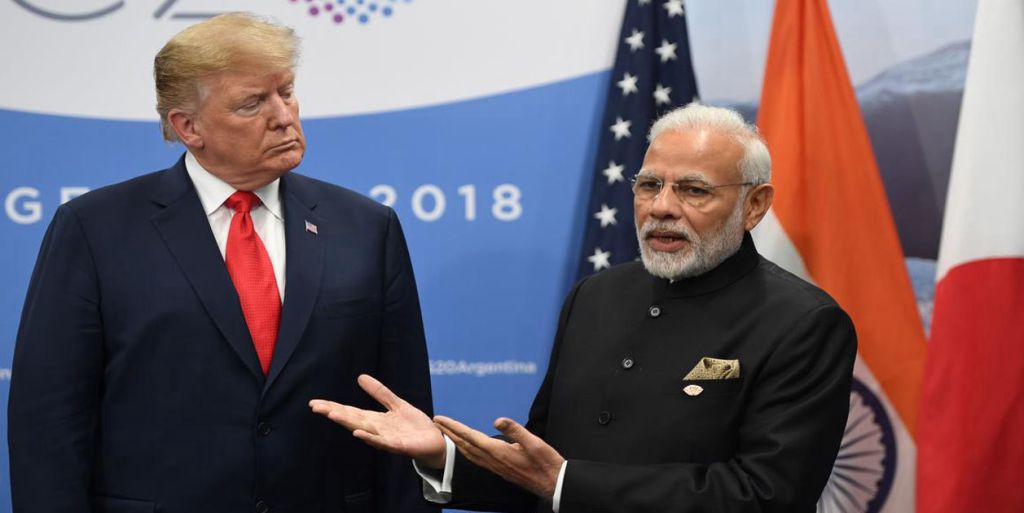
India could face severe trade repercussions after US President Donald Trump signalled support for a sweeping Congressional bill that proposes tariffs of up to 500% on countries continuing to buy Russian energy. The proposed legislation, titled the Sanctioning Russia Act of 2025, is aimed at choking Moscow’s energy revenues but would also directly affect major buyers such as India and China.
What is the Sanction Bill?
The development follows remarks by Republican Senator Lindsey Graham, one of the bill’s principal sponsors, who said he met Trump at the White House this week and received the president’s approval for the long-pending sanctions package. Graham said the legislation could be brought to a vote in the US Senate as early as next week, although its passage is not assured.
“This will be well-timed, as Ukraine is making concessions for peace and Putin is all talk,” Graham said, accusing Russian President Vladimir Putin of prolonging the war despite diplomatic openings.
Bipartisan push targets Russian energy trade
The bipartisan bill is co-sponsored by Democratic Senator Richard Blumenthal and authorises the United States to impose steep tariffs and secondary sanctions on countries that continue to import Russian oil, gas, uranium and other energy products. It has attracted dozens of co-sponsors in the Senate and is backed by a companion bill in the House of Representatives, reflecting broad frustration in Washington over Russia’s ability to sustain its war economy despite existing sanctions.
White House confirms Trump’s support
A White House official has confirmed that Trump supports the legislation, signalling a shift from earlier reluctance within the administration. Previously, the White House had sought changes to the sanctions framework to provide the president with greater flexibility, though it remains unclear whether those revisions have been incorporated into the current version of the bill.
What the legislation would mandate
If enacted, the bill would require tariffs of at least 500% on all Russian goods and services entering the United States. The same level of tariffs would also apply to imports from countries found to be knowingly trading in Russian-origin petroleum products and uranium. In addition, the legislation calls for asset freezes and visa bans on senior Russian officials, sanctions on Russian state-linked financial institutions, and a ban on US energy exports to Russia.
India’s exposure to secondary sanctions
For India, the implications are significant. Since the outbreak of the Ukraine war, New Delhi has sharply increased its purchases of discounted Russian crude, which at times have accounted for 35–40% of India’s total oil imports. Trump has repeatedly criticised these purchases, arguing that they weaken Western pressure on Moscow.
According to commodity analytics firm Kpler, India imported about 1.2 million barrels per day of Russian crude in December 2025, the lowest level in three years, but still substantial. Any move by Washington to enforce secondary sanctions could expose Indian exporters to punitive tariffs, restricting access to the US market at a time when bilateral trade relations are already strained.
 The free voice