The Supreme Court has struck down major provisions of the Tribunals Reforms Act, 2021, ruling that the Centre reintroduced clauses earlier rejected by the Court. The Bench said these provisions violated the separation of powers and judicial independence. The Court ordered an interim framework, protected existing appointments and directed the government to set up a National Tribunals Commission.
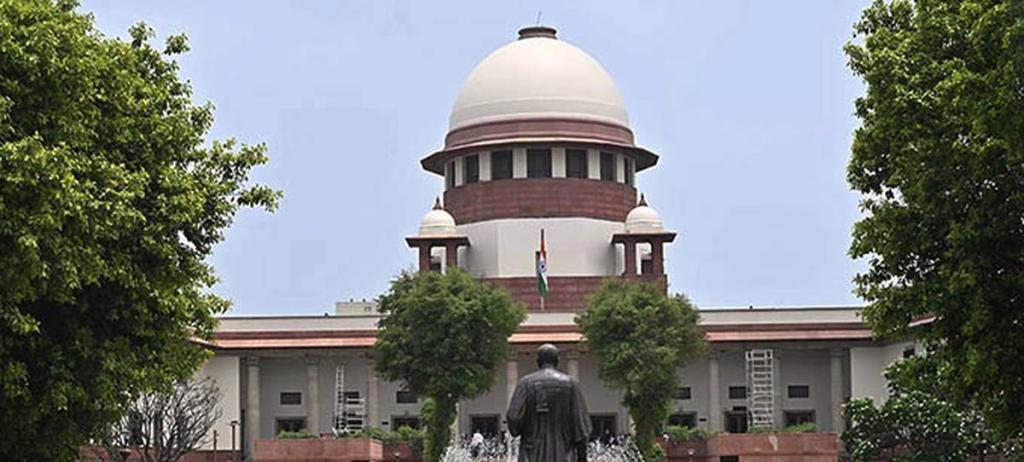
The Supreme Court on Wednesday struck down several provisions of the Tribunals Reforms Act, 2021, dealing with the appointment, tenure and service conditions of tribunal members. The Bench of Chief Justice BR Gavai and Justice Vinod Chandran said the government had brought back the same clauses that were previously struck down, only with minor alterations, amounting to an impermissible legislative override. The Court ruled that the Act violated constitutional principles of separation of powers and judicial independence, and failed to correct the defects identified in earlier landmark judgments.
Court Says Law Reintroduces Previously Rejected Provisions
The Court held that the 2021 Act repeated the very measures that had been declared unconstitutional in earlier rulings. It said Parliament cannot bring back provisions already struck down unless it cures the underlying constitutional flaws. The Bench noted that the government ignored binding judicial directions on tenure, age limits and the functioning of tribunals, despite multiple judgments between 2020 and 2021 clarifying the legal standards. The judgment said the Centre’s approach contradicted the doctrine of constitutional supremacy and attempted to reopen settled issues.
Interim Rules Restored and Existing Appointments Protected
Since parts of the 2021 Act now stand invalid, the Supreme Court ordered that earlier judgments will govern all matters related to appointments, qualifications, tenure and service conditions of tribunal members until a new law is made. It said members appointed through the September 11, 2021, order of the Income Tax Appellate Tribunal (ITAT) would continue under the old rules. It also protected appointments where the selection process was completed before the 2021 Act came into force, but notifications were issued afterwards. The Court said these appointments must follow previous rulings, such as the Madras Bar Association (MBA) III and MBA V cases, which mandated longer tenure and struck down the minimum age limit of 50.
Court Directs Creation of National Tribunals Commission
The Supreme Court ordered the Union government to set up a National Tribunals Commission within four months. The Bench said such a body is essential to ensure independence, transparency and uniformity in the tribunal system. The Commission will oversee appointment processes, administration and service conditions, reducing the executive’s role. The Court said repeated delays and refusal to implement earlier directions had contributed to pendency and confusion, and stressed that both the judiciary and government share responsibility for making tribunals effective.
 The free voice