U.S. President Donald Trump has announced a 100% tariff on foreign-made branded and patented drugs starting October 1, 2025. The move targets major exporters like India and Europe, sending Indian pharmaceutical stocks sharply lower and raising concerns over global drug supply and U.S. healthcare costs.
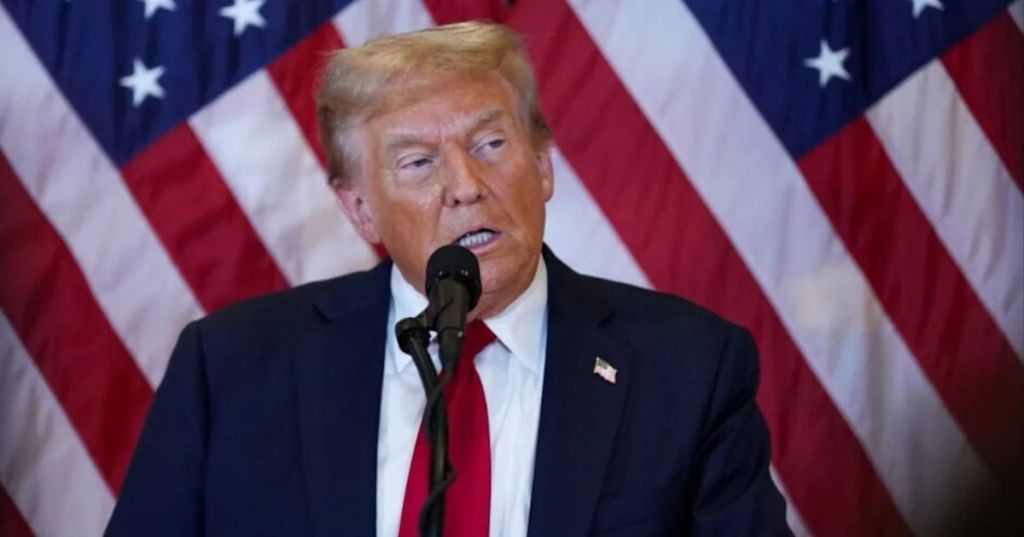
U.S. President Donald Trump has announced sweeping tariffs of 100% on all foreign-made branded and patented pharmaceutical imports starting October 1, 2025. The measure is aimed at boosting domestic drug production but has immediately rattled global pharmaceutical markets and led to sharp declines in Indian pharma stocks.
New Tariffs Target Foreign Drug Imports While Exempting Domestic Facilities
Under the new policy, any foreign-made branded drugs entering the U.S. will face a 100% import duty unless the manufacturer is actively building a production facility in America. Companies with plants already under construction will be exempt. The status of firms with existing U.S. factories remains unclear. The tariffs primarily target major exporters, including India and European countries, which supply a large share of prescription drugs in the United States.
Indian Pharma Sector Faces Immediate Stock Market Impact
India exported $12.72 billion worth of drugs to the U.S. in 2024, covering nearly four out of ten prescriptions filled by American patients. Indian generics saved the U.S. healthcare system an estimated $219 billion in 2022 and are projected to deliver $1.3 trillion in savings over the next five years. Following the announcement, Sun Pharma dropped 5%, hitting a 52-week low, while other major firms like Biocon, Dr. Reddy’s, Cipla, Lupin, Zydus Lifesciences, Torrent Pharma, and Aurobindo Pharma also reported steep declines.
Concerns Over Rising U.S. Drug Costs And Supply Chain Challenges
The White House justified the tariffs as a way to strengthen domestic manufacturing and reduce the budget deficit. Critics, however, warn that doubling drug prices could burden American households, raise healthcare costs, and increase federal spending on Medicare and Medicaid. Indian officials are exploring ways to diversify exports to Africa, Latin America, Southeast Asia, and China, but the transition will be slow due to dependence on Chinese raw materials and active pharmaceutical ingredients, which account for over 60% of India’s supply chain.
Tariffs Part Of Wider Protectionist Trade Measures
The pharmaceutical tariffs are part of a broader protectionist agenda, which includes 50% tariffs on kitchen cabinets and vanities, 30% on upholstered furniture, and 25% on heavy trucks. Analysts say the measures reflect Trump’s strategy to show American voters he is defending U.S. industries ahead of the upcoming elections, even if it results in higher consumer prices.
 The free voice