The AAP leader is about to meet the Lieutenant Governor to submit his resignation.
Snehasree Das
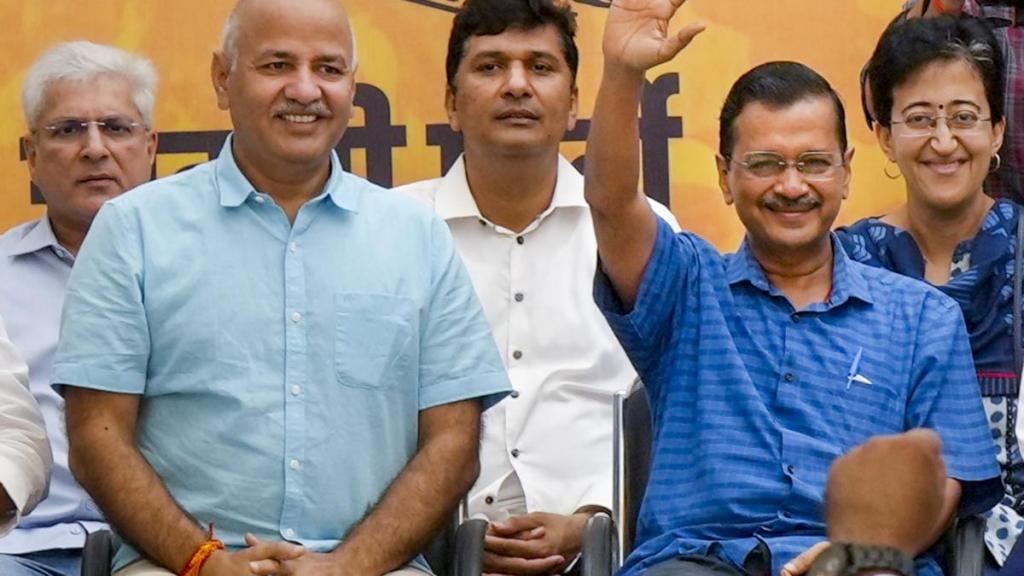
The Delhi Chief Minister Arvind Kejriwal has started big speculation, stating that he will resign as the Delhi CM in the next two days. He has also asked to meet the Lieutenant on September 16 to submit his resignation and step down as the Chief Minister.
Apart from the Election Polls coming ahead, this resignation can be a strategic move to give a kickstart to AAP and his political career.
- With just five months left for the Delhi Assembly election, Kejriwal’s move to step down could be seen as an attempt to rally public support and return to power, even though Supreme Court bail conditions would have limited his role as CM. By calling for elections in November, alongside Maharashtra’s polls, Kejriwal is making a strategic bid to regain control sooner rather than later.
- Resigning and pushing for early elections might also help Kejriwal and AAP counter any potential anti-incumbency sentiment that has built up over a decade in power. This will distance Kejriwal from ongoing corruption allegations surrounding AAP and its leaders, including Manish Sisodia. Moreover, Kejriwal’s call for November elections aligns with other state polls, including Maharashtra and Jharkhand, where the BJP is facing increasing opposition.
- Anti-incumbency is, most probably, a significant challenge for the AAP seeking re-election. By stepping down and calling for a fresh mandate, Arvind Kejriwal is effectively resetting the political clock on his tenure. This move allows him to campaign with a clean slate, unburdened by the weight of nearly a decade in office. The introduction of a new face for the Chief Minister’s role offers a strategic refresh, allowing the focus to shift towards AAP’s achievements and future promises, rather than being mired in the challenges of long-term governance.
- The AAP appears to be positioning itself to take advantage of the growing anti-BJP sentiment, which is expected to intensify with the upcoming elections in Maharashtra and Jharkhand. Kejriwal’s resignation and his call for early elections seem to be strategically timed to tap into this sentiment, amplifying the opposition narrative just in time for Delhi’s 70-seat Assembly contest. By aligning Delhi’s election schedule with other key states, AAP may be hoping to ride the wave of discontent against the BJP to strengthen its own campaign.
Meanwhile, several BJP leaders have asked for the imposition of President’s rule in Delhi, citing the failure to carry out day-to-day governance affairs. In such cases, imposing central rule could potentially delay the Delhi elections by up to six months.
The Supreme court, while bailing Kejriwal out, had prevented him from visiting the CM’s office and the secretariat. “The only category of files he [Kejriwal] must sign and does sign are the ones which have to go to the Lieutenant Governor,” Arvind Kejriwal’s counsel in the liquor policy case, Abhishek Manu Singhvi, told India Today TV.
 The free voice